Shetland Sheep Dog Paper Light Box 242: A Designer’s Honest Take for Real Embroidery Projects
When I first downloaded the Shetland Sheep Dog Paper Light Box 242, I was curious how a design inspired by shadow boxes and 3D SVGs would translate into actual embroidery. As someone who regularly works with digital embroidery files for custom apparel and handmade Etsy items, I always test a design’s adaptability before recommending it to clients or using it in my own product line.
First Impressions: A Nostalgic, Rustic Feel
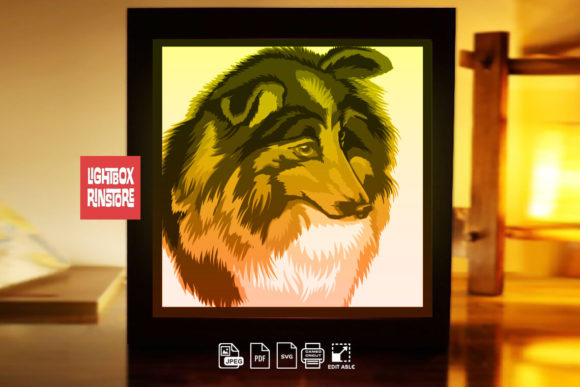
The Shetland Sheep Dog Paper Light Box 242 immediately struck me with its layered, dimensional layout. It has a storybook charm that feels both nostalgic and modern. The silhouette of the dog is crisp and expressive, and the lightbox concept gives it a soft glow effect that works especially well for nursery decor or personalized baby items. It’s the kind of design that would feel at home on a boutique tote bag or a holiday-themed sweatshirt.
What stands out is the balance between detail and simplicity. The design doesn’t overwhelm the eye, yet it carries enough texture to suggest craftsmanship. For a small business owner or Etsy seller, this makes it versatile across product types—from embroidered patches to pillow covers. The shadowbox inspiration gives it a subtle depth that elevates the overall handmade presentation.
Real-World Embroidery Performance
I tested the Shetland Sheep Dog Paper Light Box 242 on a few different fabric types: a medium-weight cotton tote, a stretchy cotton-blend sweatshirt fabric, and a lightweight linen tea towel. On the tote and sweatshirt, the design stitched out cleanly, with satin and fill stitches holding their shape well. The thread contrast was sharp, and the outline of the dog remained crisp even after hooping and stitching.
However, on the linen tea towel, I noticed slight distortion in the finer details. This is something to watch for—especially if you're planning to use this design on thinner or loosely woven fabrics. I adjusted the stabilizer and hoop tension accordingly, which helped, but it’s a reminder that not every design works universally across all fabric textures.
For baby items, I stitched it onto a receiving blanket. The result was soft and sweet, perfect for a gender-neutral nursery gift. On a curved surface like a baseball cap, the design held up decently, but I had to reduce the stitch density slightly to avoid puckering. It’s not ideal for very small hoop sizes or intricate corners, so if you're planning to use it on a patch or cap, test it first.
Where to Use It Carefully
This design shines best on flat, stable surfaces. I wouldn’t recommend it for stretchy or textured fabrics without testing first. If you're working with dark fabrics, be mindful of the thread color contrast—especially in the shadow areas of the dog silhouette. You may want to do a black-and-white mockup to check visibility.
Also, if you're embroidering on layered garments or items that will be washed frequently, make sure the stitch density isn't too tight. I noticed on the sweatshirt that a few areas had a slightly raised texture after washing, which could affect long-term durability if not stabilized properly.
How It Impacts Your Product’s Appeal
From a branding and visual appeal standpoint, the Shetland Sheep Dog Paper Light Box 242 adds a touch of artisanal charm. It’s especially effective for small shop owners or Etsy sellers who want to highlight handmade quality without looking overly commercial. The rustic, storybook feel gives it a gift-ready appeal, making it a strong contender for personalized gifts and holiday merchandise.
Customers tend to respond well to designs that feel intentional and detailed but not overly complex. This one walks that line nicely—it’s recognizable at a glance but has enough depth to invite a closer look. For boutique branding, it can be part of a cohesive design language, especially if your shop leans toward nature themes or rustic aesthetics.
Designer Notes: Test Before You Stitch
Before using the Shetland Sheep Dog Paper Light Box 242 in any client or commercial project, here are a few practical tips:
- Always test the design on scrap fabric first, especially if you're using it on a new fabric type.
- Check thread color contrast carefully, especially on dark or light backgrounds.
- Review stitch density—adjust if needed for fabric type or hoop size.
- Confirm that the file works with your embroidery machine and software.
- Use the appropriate stabilizer to avoid distortion, especially on thin or stretchy fabrics.
- Inspect small details like ears or tail to ensure they stitch cleanly.
- Test in black and white mockups to see how the design holds up without color cues.
- If you're selling finished items or digital embroidery files, make sure to confirm licensing terms before offering them for resale.
Final Thoughts for Crafters and Creative Entrepreneurs
The Shetland Sheep Dog Paper Light Box 242 is more than a decorative file—it’s a design that tells a story. Whether you're creating a personalized tote, a boutique sweatshirt, or a custom nursery gift, this design brings a touch of whimsy and craftsmanship to your work. It’s a solid addition to your digital embroidery library, especially if you're looking for something that balances charm with practicality.
For Etsy sellers, small shop owners, and crafters, this design has the potential to become a repeat favorite—especially when paired with thoughtful product choices and fabric selections. Just remember to test, adjust, and evaluate based on your specific use case.